United CEO Predicts American Will Abandon Chicago Hub, Claims Consumers Will Benefit

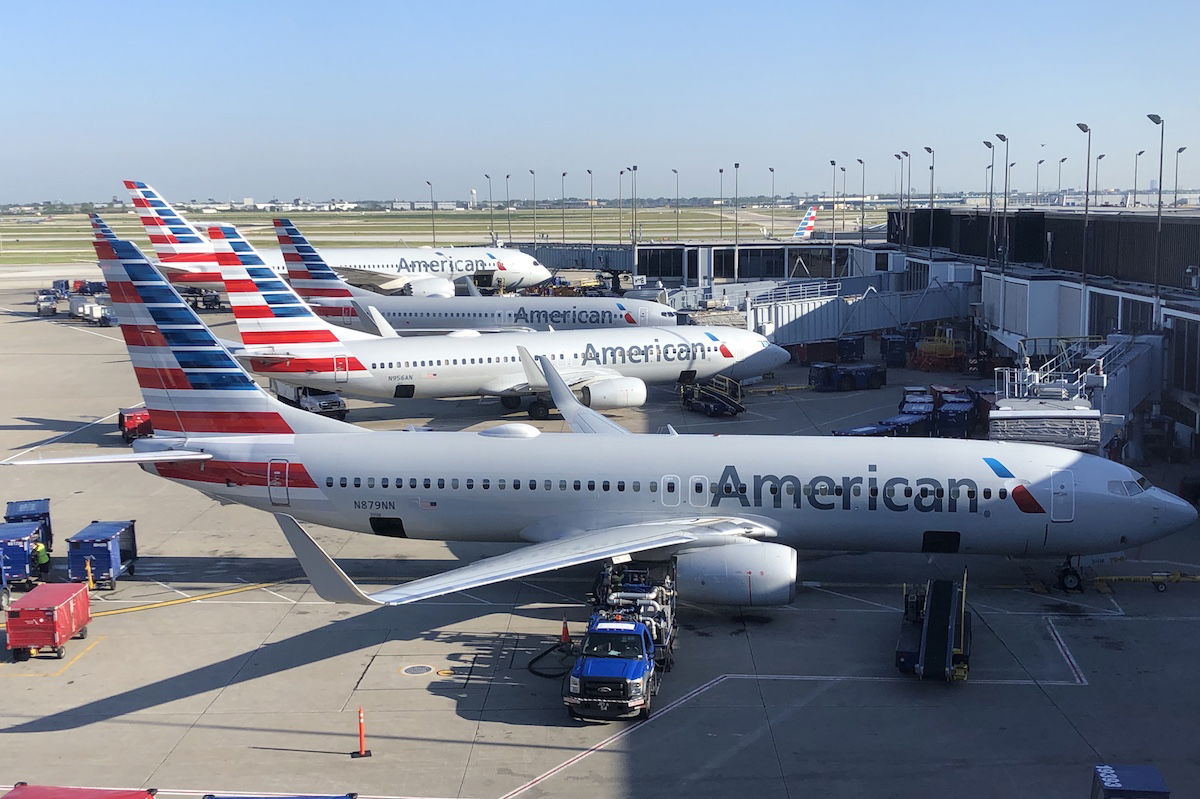
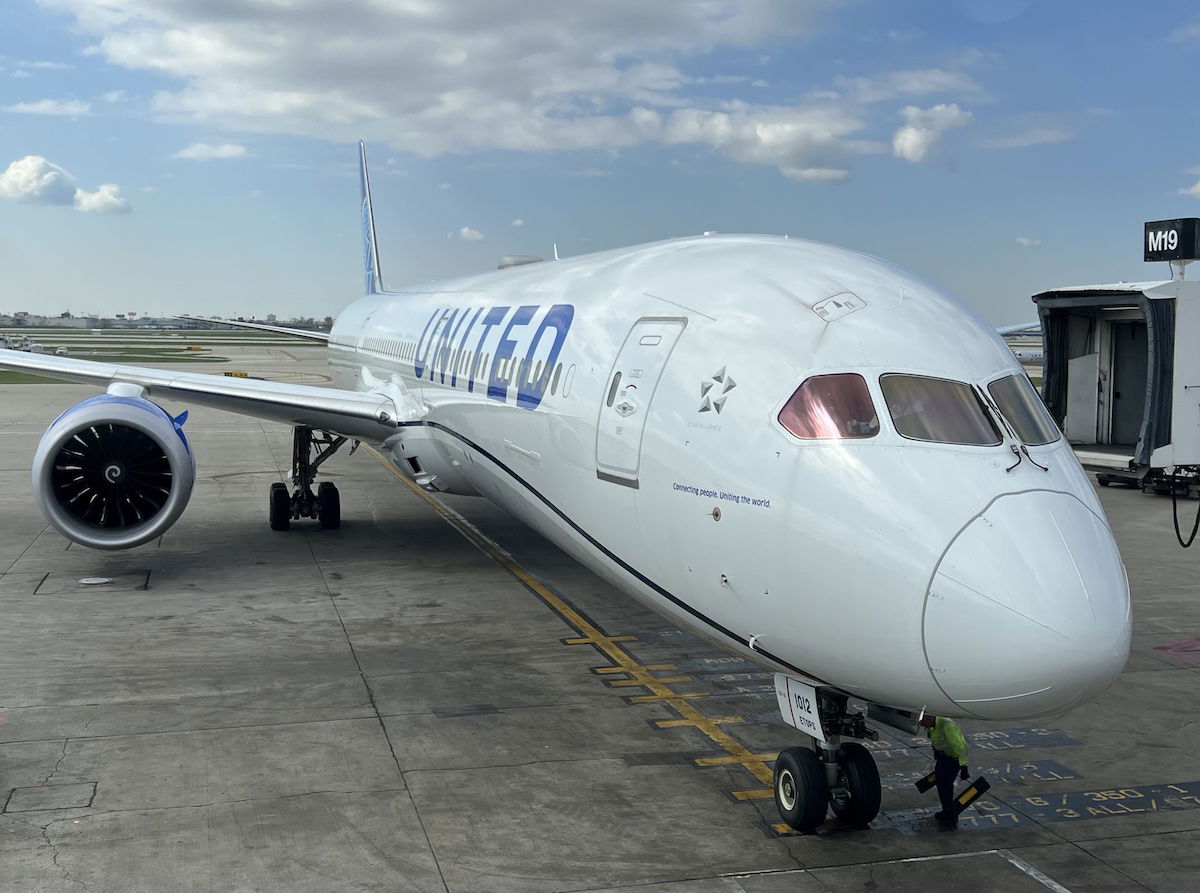
American Airlines and United Airlines both have hubs at Chicago O’Hare Airport (ORD), and they sure are battling it out at the moment. United has a significant advantage (in terms of presence and profitability), but American isn’t ready to give up there, and wants to regain market share.
This is becoming fiercely competitive. On the one hand, it seems unlikely that American will be able to make Chicago profitable any time in the near future, or that it’ll be able to overtake United. On the other hand, American can’t cede yet another major market to a competitor.
United CEO Scott Kirby is known for his smack talk, and he’s back on the record talking about Chicago. Not only is he claiming that American will eventually give up on Chicago, but he’s even making the argument that it’ll be good for consumers.
Scott Kirby says Chicago should want American to fail
Crain’s Chicago Business has a story about how Kirby is stepping up his rhetoric around the American and United battle in Chicago. He’s claiming that American lost $1.1 billion in Chicago over the course of a year, and that things will only get worse. He argues that “economic gravity is going to eventually win.”
Kirby is predicting that American will just give up eventually on having Chicago as a hub, and when that happens, he wants United to grow to 1,000 daily departures at the airport, with the network growing big enough to sustain 15 additional long haul routes. He argues that kind of growth is only possible if American gives up on the hub, since it requires a lot more gate space.
With Kirby’s vision of American giving up on Chicago, he sees the airport having a future like Atlanta (ATL) or Dallas Fort Worth (DFW), in terms of it being a mega hub with global service.
Of course it’s worth emphasizing that American vehemently denies any claims that it’s even considering retreating in Chicago, arguing it will be investing and competing in Chicago for years to come. The airline also points out that United’s vision is to see an airport with less competition.
My take on Kirby’s Chicago competition narrative
Kirby has done a great job leading United in the right direction, and improving the carrier’s performance. But his narratives just keep getting more extreme, and I can’t help but feel like he’s kind of gaslighting the public.
In terms of total number of nonstop destinations served, would O’Hare probably see more service if American pulled out? Yes, we’d probably see less duplicative service, and as a result, more nonstop destinations, since that’s how fortress hubs usually work.
But this of course completely ignores the other side of the equation, which is that a lack of competition leads to higher fares. Airlines charge as much as they can get away with charging, and that’s typically a function of the competitive environment. Consumers value nonstop flights, so the less competition in nonstop markets, the higher the fares.
Kirby assumes that most passengers want lots of nonstop flights, and don’t at all care about fares. That’s actually consistent with the argument he has made otherwise, about how we’d be better off with one “flag carrier” basically flying everything.
Let’s actually use Kirby’s example of Atlanta and Dallas for a moment. Picking random mid-week dates for next spring for the cheapest roundtrip economy flights from hubs to Tokyo, you’ll find that flights from Chicago to Tokyo cost under $1,500, while flights from Atlanta or Dallas to Tokyo cost around $2,300, so they’re more than 50% higher. The reason for that is simple — lack of competition in fortress hubs drives up fares.


Now, when it comes to Kirby’s math in explaining American’s failure in Chicago, I sort of agree with him, and sort of don’t. Do I believe American is losing a lot of money in Chicago? Probably. Do I think Kirby’s numbers are massively inflated, and he’s basically taking the direct operating loss, without factoring in the positive impact of loyalty revenue, etc., which absolutely factors into profitability for airlines? Yes.
All that being said, I also don’t really see how this will end well for American. United definitely isn’t going to give up its number one position in Chicago. But what choice does American really have, other than to compete? In terms of its overall network, the airline needs a hub in the Midwest, and simply giving up there won’t end well either.
As long as both airlines are competing, consumers will win. But I guess Kirby is hoping that trash talking keeps moving things in a certain direction.
Bottom line
United CEO Scott Kirby has long predicted American’s failure in Chicago, or at least that’s what he’s hoping. United is the bigger of the two airlines, is losing less money in Chicago, and definitely isn’t willing to let American make any gains. So while this narrative isn’t new overall, what is new is Kirby’s claim that “when” American pulls out of Chicago, United will be able to increase service there, and it’ll be good for consumers.
Make no mistake — if Chicago turns into a fortress hub, it absolutely may see more nonstop destinations. However, that will massively drive up fares. So Kirby believes that consumers don’t care about the cost of tickets, but instead, just the number of nonstop destinations.
What do you make of Kirby’s latest comments about Chicago?


